
CT Scan vs. MRI: What Are the Differences?
When symptoms persist and a physical exam and blood tests aren’t enough for a diagnosis, your provider may recommend an imaging scan. Two common choices are magnetic resonance imaging (MRI) or computed tomography (CT) scans. Why does your provider choose one over the other? It’s not a simple preference.
Here is how each type of imaging works and when you may benefit from one over the other.
How CT Scanning Works
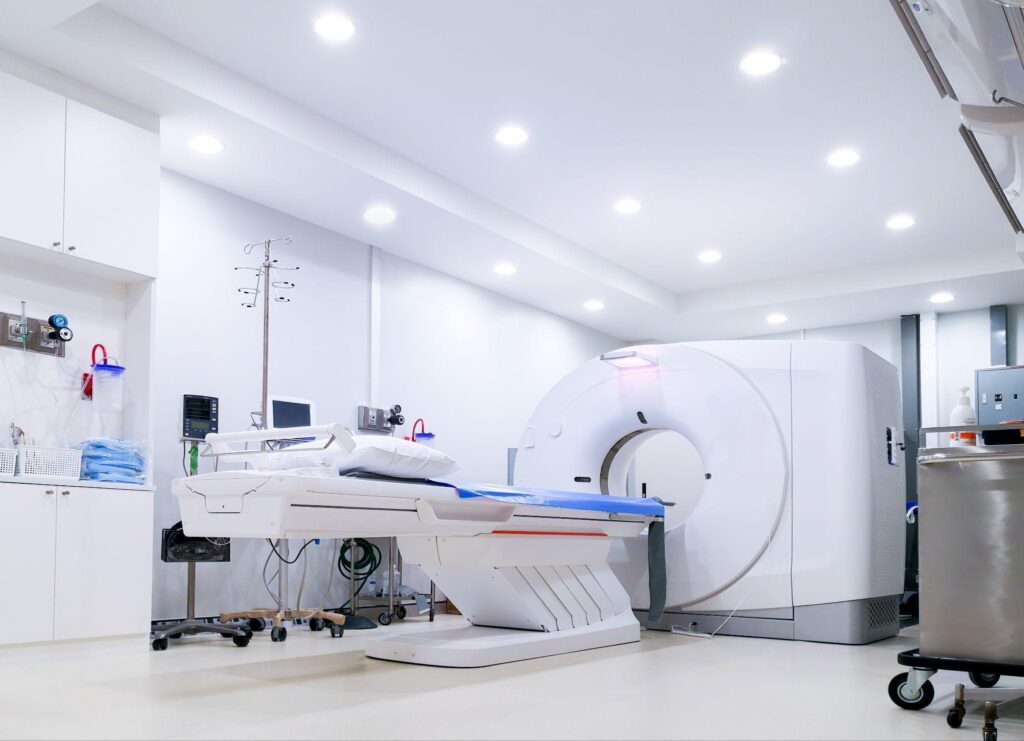
A CT scan uses X-rays and computer technology. During your exam, you lie on a table, and the machine rotates around you. As you move through the machine, it takes thin X-ray images from a variety of angles. A special computer then processes these images for review by stacking them together to create a three-dimensional photo.
In some cases, you receive contrast agents before your CT scan. This contrast dye helps the scanner identify areas of concern, such as blood clots. While CT scanners use X-ray technology, radiation exposure is minimal. It’s therefore considered a safe scanning technology for most adults.
How MRI Machines Capture Images
An MRI machine relies on magnets and radio waves. As you lie on a table inside the MRI machine, powerful magnets shift the protons inside your cells. When a radio wave interrupts the magnetic pull, your protons attempt to return to their normal positions. The MRI machine takes a picture of this activity.
This process repeats many times, capturing multiple image slices. The images are then brought together to create three-dimensional representations of your organs and other internal structures. Contrast agents can help identify specific areas of concern.
In the past, MRI was considered unsafe for those with a pacemaker. The American College of Cardiology reports that, with proper precautions and monitoring, it is now safe to undergo an MRI with a pacemaker. MRIs are also safe for pregnant women. Because of the MRI’s strong magnets, tell your doctor if you have metal in your body, such as a bullet, shrapnel, or implant.
Choosing Between MRI and CT
When deciding between a CT scan and an MRI, your provider considers several factors. Some of the most important include:
- Purpose. A key factor in choosing between MRI and CT is the area being scanned. MRI excels at capturing images of soft tissue, such as muscle, nerves and organs. A CT scanner, on the other hand, is better at showing bones and bony structures. It’s also helpful for viewing certain cancers, bleeding in the brain and organs and blood vessels in the chest and abdomen.
- Movement. If you have difficulty staying still, you may benefit from a CT scan. It’s less sensitive to movement and can produce quality images even if you wiggle a little bit.
- Urgency. In emergency situations, CT is the go-to imaging technology. It’s faster than MRI and provides quicker results. If time is not of the essence, an MRI may be a suitable option, based on the purpose of the exam.
Key Differences Between a CT Scan vs. MRI Scan
CT and MRI are excellent imaging advances that provide valuable insight into the health of your body. Choosing between them requires your provider to consider several factors.
CT scanners rely on X-ray technology to produce images. It’s particularly good at showing bones, certain cancers and blood vessels in the abdomen and chest.
Magnets and radio waves help MRI machines capture clear images of soft tissue, such as muscle and organs.
To choose between CT and MRI, your healthcare provider considers several factors, including the purpose of your scan and the urgency of your health issue.
Did your provider order an MRI or CT scan for you? Call (520) 733-7226 or request an appointment online with caring experts at your local Radiology Ltd. location.